How to Reduce Missed Leads from Your Website with AI Chatbots

Your website is your hardest-working salesperson, but what happens when a potential customer visits at 10pm on a Tuesday? If no one's there to engage them, that lead walks away. For UK small businesses, this silent loss of potential customers costs thousands every year. Here's how to fix it.
The Hidden Cost of Missed Website Leads
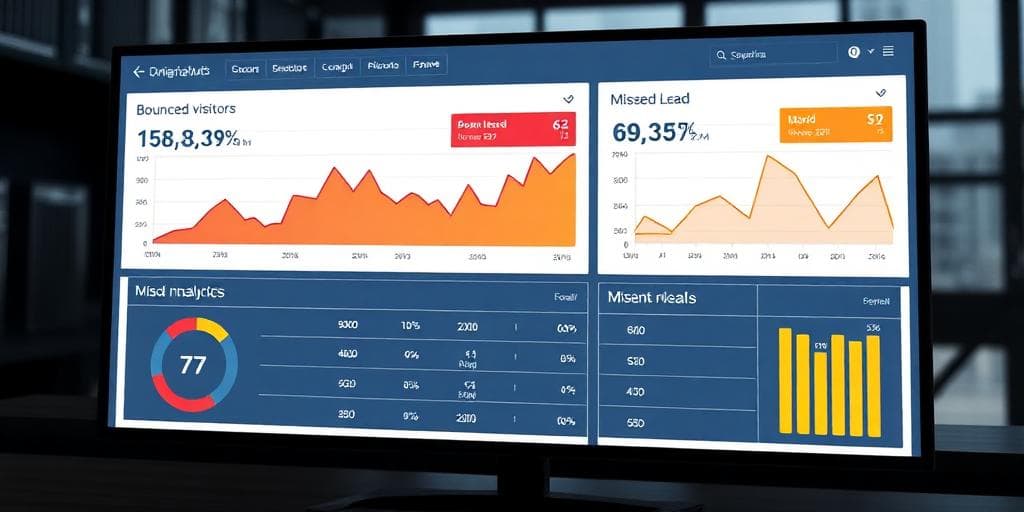
Most small business owners know their website gets traffic, but few realise how many of those visitors leave without ever making contact. Studies suggest that up to 60% of website visitors who are genuinely interested in your product or service never fill in a contact form. They browse, they consider, and then they leave.
The reasons are straightforward. Contact forms feel impersonal. Phone lines are only open during business hours. And visitors who have a quick question simply don't want to wait until Monday morning for an answer. Every unanswered question is a lost opportunity.
Why Traditional Lead Capture Fails
Traditional lead capture methods (contact forms, email addresses on your website, "call us" buttons) all rely on the visitor taking action. But modern consumers expect instant responses. If they don't get one, they move on to a competitor who does.
Consider these common scenarios:
- A potential customer visits your restaurant website at 9pm to ask about group booking availability. Your phone line is closed. They book elsewhere.
- A homeowner browses your estate agency site on a Sunday afternoon, wondering about a property. No one responds until Monday. They've already contacted three other agents.
- A shopper finds your e-commerce store but has a question about sizing. They can't find the answer quickly, so they abandon their basket.
In each case, the business had the visitor's attention and lost it because there was no way to respond in real time.
How an AI Chatbot Stops the Leak
An AI chatbot sits on your website and engages every visitor the moment they arrive. It doesn't sleep, take breaks, or go on holiday. It asks the right questions, provides instant answers, and captures contact details, even at 3am on a bank holiday.

What Real UK Businesses Are Seeing
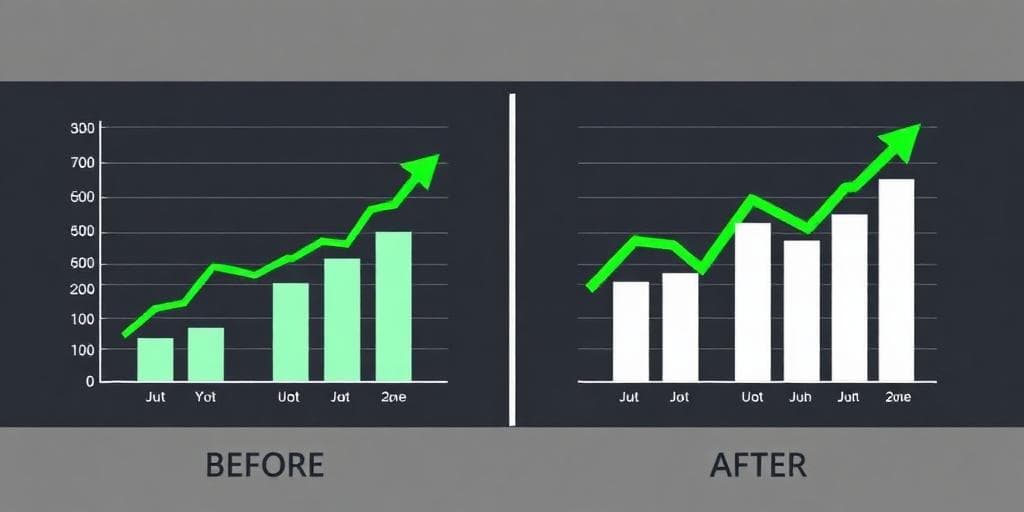
UK small businesses that add an AI chatbot to their website typically see a 25 to 40% increase in captured leads within the first month. That's not because they're getting more traffic. It's because they're finally converting the traffic they already have.
For a business spending £500 per month on Google Ads or SEO, capturing even 10 more leads per month from existing traffic can dramatically improve return on investment. The chatbot doesn't replace your marketing. It makes your existing marketing work harder.
Five Steps to Stop Missing Leads Today
- Audit your current lead capture: Check how many website visitors actually convert. If it's below 3%, you're leaving money on the table.
- Identify peak missed hours: Use analytics to find when visitors arrive but don't convert. Often it's evenings and weekends.
- Choose a managed AI chatbot: Don't waste time building your own. A managed service like AIVized handles everything for you.
- Train it on your business: Share your FAQs, services, and common questions. We configure the chatbot to sound like your brand.
- Review and optimise: Check captured leads weekly and refine the chatbot's responses for even better results.
The Bottom Line
You're already paying for website traffic. An AI chatbot ensures you actually capture the leads that traffic brings, 24 hours a day, 7 days a week. Starting from just £29/month with AIVized, it's one of the highest-ROI investments a UK small business can make. Read our AI chatbot vs live chat comparison to learn more.
Frequently Asked Questions
Stop Missing Leads Today
Get a fully managed AI chatbot on your website from £29/month. We install everything with no technical skills needed.
View Pricing
Zuhaib Ahmed
·Founder, AIVized
Zuhaib Ahmed is the founder of AIVized, a managed AI chatbot service for UK small businesses. With hands-on experience deploying AI chatbots across restaurants, real estate, healthcare, and e-commerce, he writes from direct expertise in what works for UK SMEs.